S
Sepio

Sepio

Visual Database Schema Designer & ERD Tool

Design schemas visually with real-time AST linting, and export type-safe Drizzle ORM, SQL, and DBML code.

Developed by
_
SEPIO LABS

Why Developers Choose Sepio

Sepio is a visual-first, Figma-like database design tool for developers. It enables smart schema modeling with built-in linting, architectural recommendations, version history, real-time multiplayer collaboration, and instant link sharing. The goal was to build a visually clean, comfortable interface without compromising on the powerful features modern engineering teams need.

Sepio ERD visual database schema editor interface

Visual schema modeling, AST linting & multi-dialect code export.

Design database schemas visually, without the SQL boilerplate.

Connect tables visually in seconds. Drag relationships directly between columns, set cascade rules with a click, and keep your domain models clean with color-coded groups and sticky notes.

✓Direct column-to-column relationship drawing
✓Crow's foot cardinality & cascade rule badges
✓Color-coded groups & sticky notes for organization
✓Quick Command+K search for instant navigation
VISUAL CANVAS // ERD Model1:N CASCADE
tbl_usersENTITY
🔑 iduuid [PK]
emailtext [UQ]
fk: user_id ➔ users.id (CASCADE)
tbl_ordersRELATION
🔑 iduuid [PK]
🔗 user_iduuid [FK]
Crow's Foot Cardinality: Enabled100% Synced

Production Database Schema Templates & ERDs
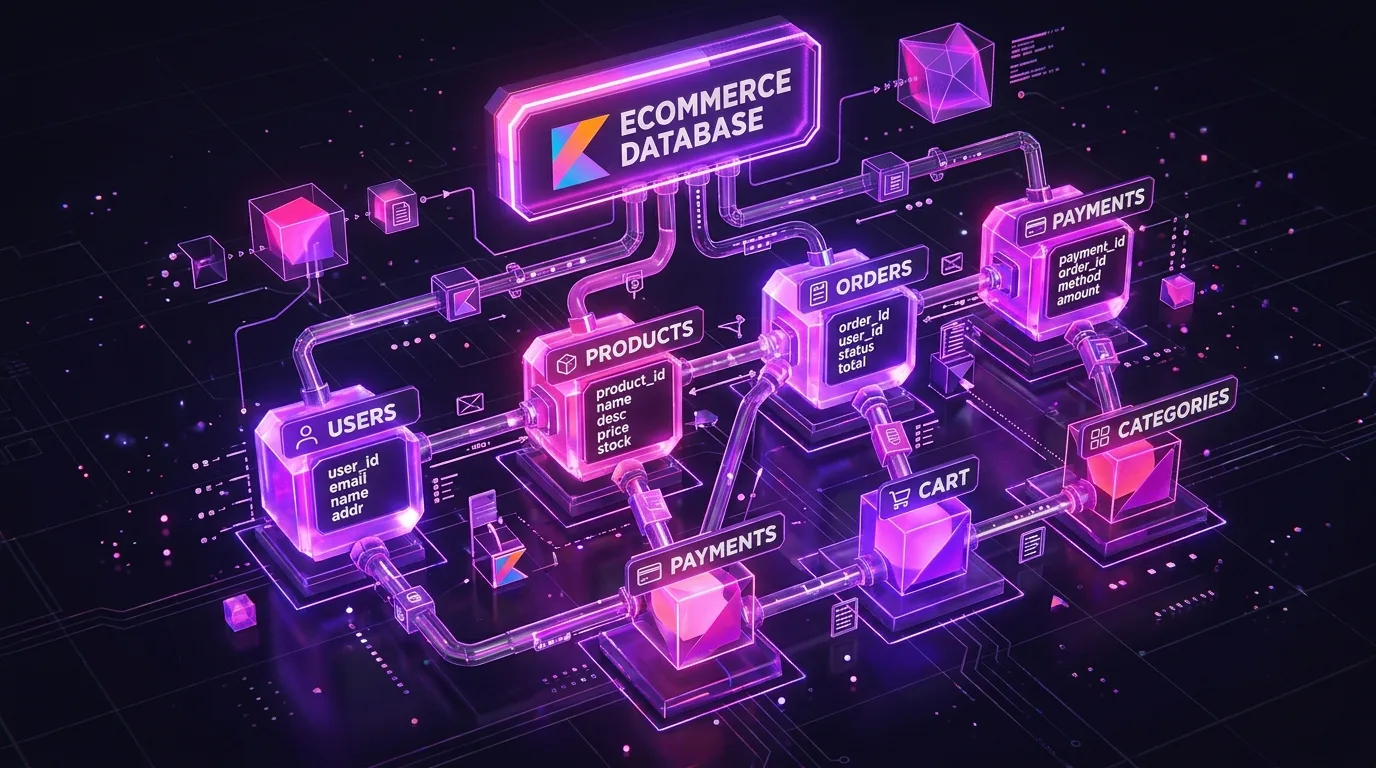
Database schema ERD diagram for E-Commerce & Order Billing Schema
By @sepio_team

E-Commerce & Order Billing Schema

Complete production schema for product catalogs, cart items, customer orders, payment transactions, and inventory stock tracking.

Database schema ERD diagram for SaaS Multi-Tenant Auth & Workspace
By @sepio_team

SaaS Multi-Tenant Auth & Workspace

Multi-tenant authentication schema with users, accounts, sessions, workspace memberships, and RBAC permissions.

Database schema ERD diagram for AI Agent & Event Stream Analytics
By @sepio_team

AI Agent & Event Stream Analytics

Optimized time-series event logger for metric data points, agent execution trace logs, and aggregated benchmark metrics.

Database schema ERD diagram for Golden Community ERD Templates
By @sepio_team

Golden Community ERD Templates

Curated collection of community-contributed database diagrams for microservices, fintech apps, and open-source projects.

Export production code for any database.

Seamlessly export production-ready code definitions, schema migrations, and visual diagrams for all industry-standard databases and ORMs; Drizzle/Prisma ORM, SQL, DBML and many more.

PostgreSQL
MySQL
Microsoft SQL Server
SQLite
Drizzle ORM
Prisma ORM
MariaDB
Mongoose ODM
Cassandra
Oracle
TypeORM
DBML Logo
DBML
Mermaid
MongoDB
Gel

We have a plan for every developer.

FREE TIER

Explorer

$0/ ALWAYS
  • ✓ 100% Local IndexedDB
  • ✓ Unlimited ERD Diagrams
  • ✓ Drizzle / DBML / SQL Export
  • ✓ Field-to-Field FK Relations
  • ✓ No Account Required
Get Started Free
MOST POPULAR
POWER USER

Indie Developer

$0/ ALWAYS
  • ✓ Everything in Builder
  • ✓ Postgres Multischemas
  • ✓ Live DB Introspection
  • ✓ Vector SVG Export
  • ✓ PWA Offline Support
Launch Editor
Best for Teams

Team / Startup

$0/ ALWAYS
  • ✓ 100% Local IndexedDB
  • ✓ Live Cursors & Presence
  • ✓ Instant Web Link Sharing
  • ✓ Cloud Sync & Backup
Get Started Free

Frequently asked questions about Sepio.

Can I import an existing database or SQL file to generate an ERD diagram?
Yes! You can paste raw SQL CREATE TABLE DDL statements or DBML scripts directly into Sepio to reverse-engineer visual ERD diagrams in seconds. You can also import existing schemas from TypeScript definitions (Drizzle ORM, TypeORM, Mongoose ODM), Prisma schema files, and Mermaid ERDs, or connect directly via live PostgreSQL and MySQL connection strings for instant database introspection.
What is the Real-Time Schema Linter and what issues does it catch?
Sepio features a built-in AST diagnostic engine that inspects your database design in real time as you model. It flags architectural mistakes before they hit production migrations, including missing primary keys, foreign key data type mismatches (e.g. referencing a UUID with an INT column), unindexed foreign keys that cause severe JOIN latency, duplicate table/column names, and naming convention violations (snake_case, camelCase, PascalCase).
How does Sepio compare to tools like DrawSQL, dbdiagram.io, or Eraser?
Sepio combines the fluid, drag-and-drop canvas feel of Figma and DrawSQL with the fast code generation of dbdiagram.io. Unlike DrawSQL, which caps free accounts at 15 tables per diagram, Sepio is 100% free with unlimited tables. Unlike dbdiagram.io, which forces a text-only DSL without visual canvas editing, Sepio supports full visual relationship drawing alongside native Drizzle ORM TypeScript export, offline PWA storage, and live multiplayer collaboration. Read our detailed Sepio vs. DrawSQL & dbdiagram comparison or explore our roundup of free DrawSQL alternatives.
What database dialects and code formats can I export to?
Sepio generates production-ready code for type-safe Drizzle ORM TypeScript (pgTable, mysqlTable, sqliteTable), raw PostgreSQL DDL, MySQL DDL, SQLite DDL, Microsoft SQL Server (MSSQL), Oracle SQL, DBML (Database Markup Language), Prisma schemas, and Mermaid.js diagrams, as well as lossless vector SVG and high-resolution PNG image exports for documentation.
Can Sepio generate migration scripts when my database schema changes?
Yes. Sepio tracks schema version history with stable element identifiers. When you rename columns, add new fields, alter data types, or introduce new tables, Sepio's migration engine detects the exact delta and generates non-destructive SQL migration scripts (including ALTER TABLE, ADD COLUMN, and RENAME COLUMN statements) rather than forcing destructive drop-and-recreate commands.
How does bidirectional sync work with Drizzle ORM and TypeScript?
Because Drizzle ORM defines database schemas in pure TypeScript Abstract Syntax Trees (ASTs), Sepio can parse your existing Drizzle files directly into an interactive canvas. When you connect tables or modify fields visually, you can immediately export updated, type-safe TypeScript definitions back into your project repository, eliminating out-of-date ERD documentation rot. Learn more in our guide on visual schema modeling with Drizzle ORM and read our Drizzle ORM vs. Prisma schema benchmark.
Does Sepio support complex database features like Postgres multi-schemas and composite keys?
Yes. Sepio is designed for production architectures. It supports PostgreSQL multi-namespaces (e.g., custom schemas alongside 'public'), composite primary keys, composite foreign key relationships across multiple columns, custom ENUM types, unique constraints, and granular referential action cascades (CASCADE, RESTRICT, SET NULL, NO ACTION). Check out our production RBAC database schema blueprint and our multi-tenant SaaS PostgreSQL guide for complete runnable examples.
Are there limits on the number of tables or diagrams I can create?
No limits! You can design unlimited database diagrams, create hundreds of tables, and export as much code as you need. All local modeling is saved in your browser via IndexedDB with zero artificial paywalls or table caps.
Do I need to create an account or sign in to use Sepio?
No account required. You can start modeling schemas immediately upon landing on the app. Your work is automatically saved locally in your browser. Signing in is completely optional and unlocks cloud backups, cross-device synchronization, live team multiplayer collaboration, and shareable web links.
How does real-time team multiplayer collaboration work?
When signed into a cloud workspace, multiple developers and architects can collaborate on the same database diagram simultaneously. Sepio uses conflict-free replicated data structures (CRDTs) to sync changes in real time with live cursor presence, avatar badges, version snapshots, and shareable read/edit permission links.
Can I embed Sepio diagrams into Notion, GitHub READMEs, or documentation sites?
Yes! You can export crisp vector SVG and PNG diagrams for embedding directly into GitHub READMEs, pull request descriptions, and Confluence. You can also generate live, responsive web embed links to embed interactive pan-and-zoom schema diagrams inside Notion pages, internal wikis, or documentation portals.
Is my database schema architecture private and secure?
100% private. In local mode, your schema designs never leave your browser sandbox. When you choose to use cloud sync or multiplayer, data is encrypted both in transit (TLS 1.3) and at rest. We never sell your schema definitions, and your database designs are never used to train machine learning or AI models.

Start designing your database schema today.

Experience the visual database editor built for modern developers — no setup or sign-up required.